


Abby Silberman: Why I Became a Campus Captain
As The Hidden Opponent kicks off the July 2026 Campus Captains application cycle, a few of our current and former Campus Captains are sharing their experience in the program!
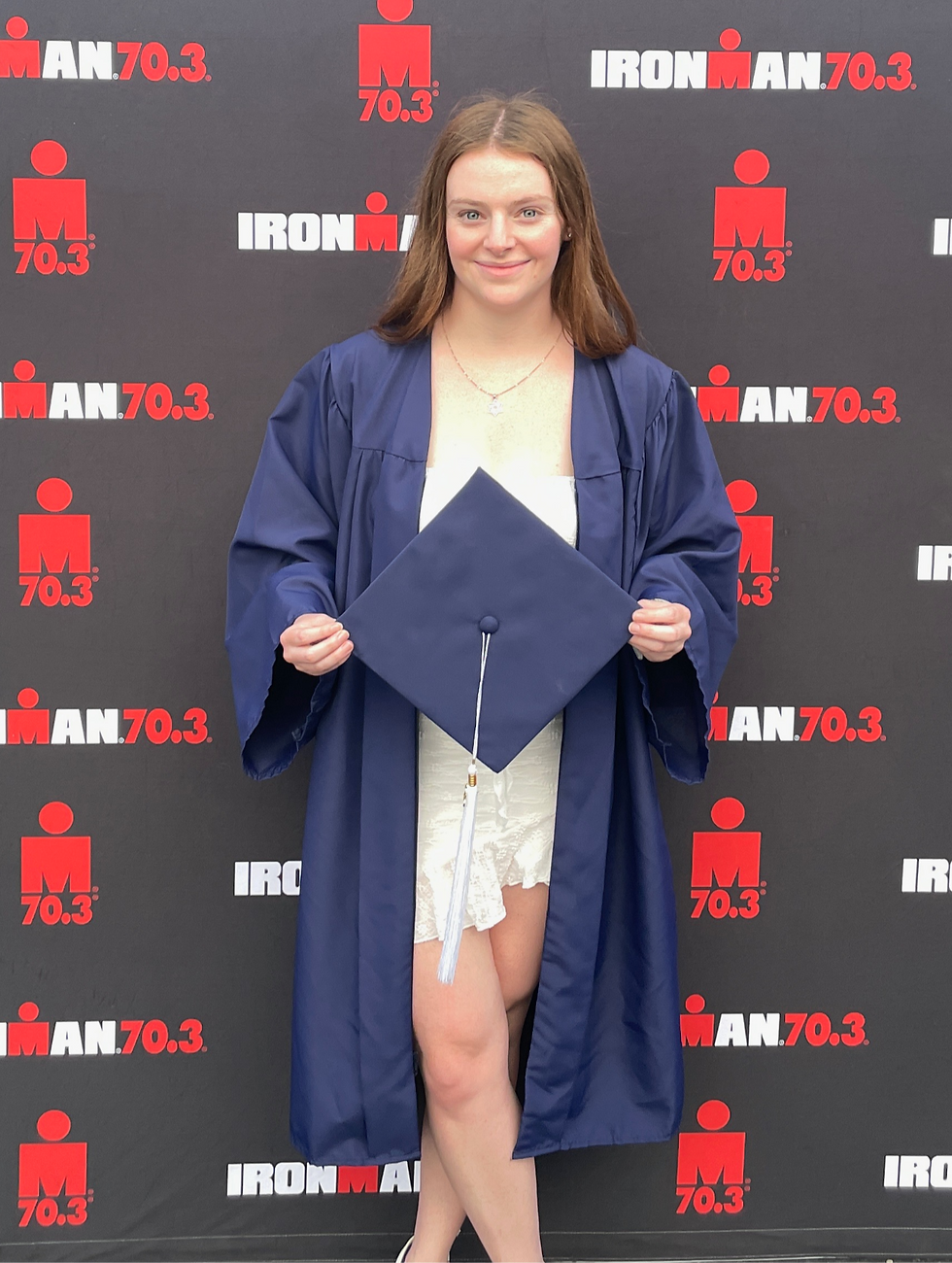
As a Longevity Award recipient, Campus Captain Abby Silberman has embodied The Hidden Opponent’s mission at North Central College and Penn State University, bringing meaningful change to her college community for the last 4 years. She shares more about her experience and what inspired her to join the program.

How was your experience in the Campus Captains program? What moments or aspects of the program/your work stand out to you as most meaningful?
My experience in The Hidden Opponent Campus Captains program was incredibly meaningful and helped shape both my personal and professional interests. One of the highlights was helping start a chapter at North Central College during my freshman year. Being involved in building something from the ground up and creating a space where student-athletes could openly discuss mental health was incredibly rewarding. Even after transferring schools and stepping away from NCAA athletics, I remained involved with The Hidden Opponent at the national level while working as an academic mentor and tutor at Penn State. I continued to share resources and support athletes whenever I could. Looking back, the most meaningful aspect of the program was knowing that even small conversations and efforts could help athletes feel less alone.
How did you navigate stopping NCAA sports after a year? Did The Hidden Opponent community help with the transition out of NCAA sports?

My transition out of NCAA athletics was not something I planned. After my freshman year, I had to step away from sports due to multiple chronic health conditions that were unmanageable at the time. Losing my identity as a student-athlete so suddenly was challenging, especially because athletics had been such a major part of my life. The Hidden Opponent helped me navigate that transition by providing resources and conversations about what it means to become a former athlete. Through the organization, I connected with other former athletes who had gone through similar experiences and understood the unique challenges of leaving sports behind. It was reassuring to know I wasn't alone, and I was also able to support other athletes making that same transition.
As a transfer student, how did you stay connected to The Hidden Opponent while changing Schools?
Although transferring schools brought a lot of changes, I stayed connected to The Hidden Opponent. I was able to take the knowledge and leadership skills I developed while at North Central College and share them with student-athletes at Penn State. While Penn State had previously had a Hidden Opponent chapter, it had dissolved before I arrived, so there wasn't an established campus presence. Instead, I focused on sharing resources, encouraging conversations about mental health, and supporting athletes through my work as an academic mentor and tutor. Staying connected to the organization reminded me that mental health advocacy can happen in many different ways, even without a formal chapter on campus.
What was your biggest takeaway from the program?

My biggest takeaway is that being a student-athlete comes with challenges that many people outside of athletics don't fully understand. There are countless demands on an athlete's time, energy, and identity, and many of those challenges continue even after an athlete leaves their sport. The Hidden Opponent taught me that athletes need support at every stage of their journey. The organization creates a community where athletes can talk openly about mental health, seek support, and feel understood. That sense of community is something that stays with you long after your athletic career ends.
As you pursue a Master's in Sport Psychology, how do you think your experience with The Hidden Opponent and your connections made in the Campus Captains program may help advance your career?
My experience with The Hidden Opponent played a significant role in shaping my decision to pursue a Master's degree in Sport Psychology. The organization reinforced my passion for supporting athletes and advocating for mental health. It also showed me the impact that education, awareness, and community can have on an individual's well-being. Interestingly, I'm not the only former Campus Captain in my graduate program, which speaks to the type of people The Hidden Opponent attracts and supports. Through the program, I gained leadership experience, developed connections with like-minded advocates, and learned how important it is to address mental health within athletics. Those experiences will continue to influence my career as I work toward supporting athletes both on and off the field.
What advice or recommendations do you have for athletes who are interested in applying to the program? Or those interested in mental health advocacy?
My advice is simple: apply, even if you're not completely sure it's for you. The support and opportunities that The Hidden Opponent provides are phenomenal. The community is full of people who genuinely want to help athletes and make a positive impact. Whether you're joining an existing chapter, starting one on your campus, or simply participating in conversations, you can make a real difference. For anyone interested in mental health advocacy, remember that it doesn't have to start with a huge initiative. It can begin with a single social media post, one conversation with a teammate, or sharing a helpful resource. Small actions often have a much larger impact than we realize, and they can be the first step toward meaningful change.


